
Lower heating and cooling costs
Ceiling batts with an R4.0 to R6.0 rating can cut heat loss and gain through the roof by up to 45 percent. This directly reduces the runtime of heaters in winter and air conditioners in summer, lowering energy bills.
Seaholme
Ceiling insulation fitted between joists in your roof space stops the main path of winter heat loss and summer heat gain. Expert Insulation Melbourne installs glasswool, polyester and rockwool batts in Seaholme homes to cut energy bills and improve comfort year round.
Share your details and Expert Insulation Melbourne will contact you about Ceiling Insulation in Seaholme.
Ceiling insulation is bulk material installed between the ceiling joists in your roof space. In Seaholme’s older brick and weatherboard homes, thin or compressed batts are common, letting warm air escape in winter and radiant heat enter in summer. We remove old material if needed, then lay new batts to the chosen R-value, keeping clearances around downlights and flues.
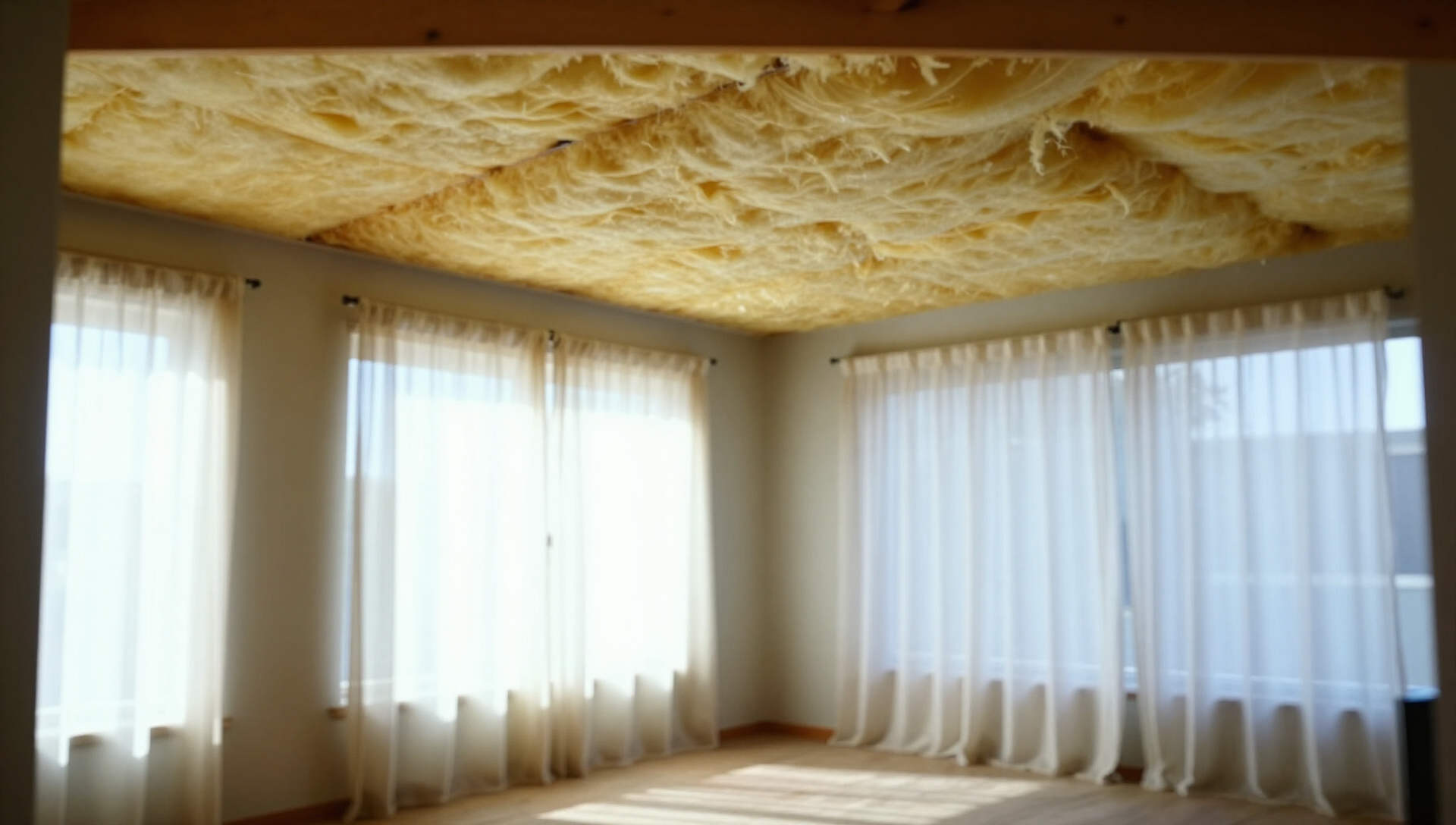
Seaholme sits near the bay with cold, damp winters and hot summers that push heating and cooling systems hard. Ceiling insulation addresses the biggest source of heat transfer in most homes, delivering immediate comfort and long-term savings.
Ceiling batts with an R4.0 to R6.0 rating can cut heat loss and gain through the roof by up to 45 percent. This directly reduces the runtime of heaters in winter and air conditioners in summer, lowering energy bills.
Bulk insulation traps still air in the batts, slowing the movement of heat. Rooms stay warmer in winter and cooler in summer without the temperature swings that force thermostats to work overtime.
Properly installed ceiling insulation with a vapour barrier helps manage moisture in the roof space. This reduces the risk of condensation forming on cold surfaces and dripping onto ceilings.
Dense batts absorb airborne noise from outside and between floors. In Seaholme’s closely built homes, this means less street noise and better privacy inside.
Quality glasswool or polyester batts do not sag or degrade over time if installed correctly. They retain their R-value for decades, provided the roof space stays dry and free of pests.
Whether your home is a postwar brick veneer, a weatherboard cottage or a more recent build, ceiling insulation can be added or upgraded. We work around existing services and access constraints in the roof space.
Every Seaholme ceiling insulation job starts with an inspection of the roof space to check access, existing material and any hazards. We then plan the work to suit your home’s construction and your chosen R-value.
We enter the roof space via the manhole to assess the current insulation, check for electrical cables, downlights and flues, and identify any dust or debris that needs removal. If old batts are compressed, wet or damaged, we remove them first.
Using industrial vacuums, we extract loose dust and debris from the roof space. This improves air quality and ensures the new batts sit flat against the ceiling without gaps that reduce performance.
We cut batts to fit snugly between joists without compressing them, which would lower the R-value. We maintain the required clearances around downlights, flues and other heat sources to meet safety standards.
After installation, we verify that all areas are covered and that no gaps or compression exist. We then clean the access point and remove all waste from your property.
Seaholme’s mix of older brick and weatherboard homes often have under-insulated ceilings. Many were built when insulation standards were lower, leaving them with thin batts or none at all. Upgrading to modern R4.0 to R6.0 ceiling insulation makes a noticeable difference to comfort and energy use, especially in the colder months when northerly winds bring cold air across the bay.
Stop winter heat loss through your ceiling with expertly installed batts in Seaholme.
Homeowners in Seaholme often ask about the practicalities of ceiling insulation, from cost factors to installation constraints. Here are the key details to help you plan.
Ceiling insulation in Seaholme targets the primary path of heat transfer in most homes. In winter, warm air rises and escapes through the ceiling into the roof space, forcing heaters to run longer. In summer, radiant heat from the roof penetrates down, increasing cooling demand. Bulk insulation like glasswool or polyester batts fitted between ceiling joists slows this heat flow, keeping indoor temperatures steadier and reducing energy use.
Seaholme’s proximity to the bay means homes experience both cold, damp winters and hot summers. Older properties in the area often have little to no ceiling insulation, or existing batts that have compressed over time. Upgrading to R4.0 or higher can cut heat loss by up to 45 percent, directly lowering heating and cooling costs. The work typically takes a few hours, depending on roof space access and the size of the home.
Cost for ceiling insulation in Seaholme depends on the floor area, chosen R-value, and whether old material needs removal. Access difficulty, such as a steep roof pitch or limited manhole size, can also affect the time required. We use glasswool, polyester and rockwool batts, all non-combustible and designed to last without settling. Before installation, we check for asbestos in older homes and stop work if we suspect its presence until a qualified assessor inspects it.
Reduce heat loss and energy bills with ceiling insulation installed by Expert Insulation Melbourne. We service Seaholme and surrounding suburbs with glasswool, polyester and rockwool batts.