
Warmer floors in winter
Insulation under the floor reduces the chill that rises through timber floorboards, making living spaces more comfortable without overworking your heater.
Seaholme
Underfloor insulation installed under suspended timber floors in Seaholme stops cold draughts through floorboards and keeps your home warmer in winter.
Share your details and Expert Insulation Melbourne will contact you about Underfloor Insulation in Seaholme.
Seaholme homes with suspended timber floors often suffer from cold floors and draughts rising through gaps in the floorboards. Underfloor insulation is installed between the floor joists from the subfloor, creating a thermal barrier that reduces heat loss and improves comfort. This is especially effective in older weatherboard and brick veneer homes common in the area.
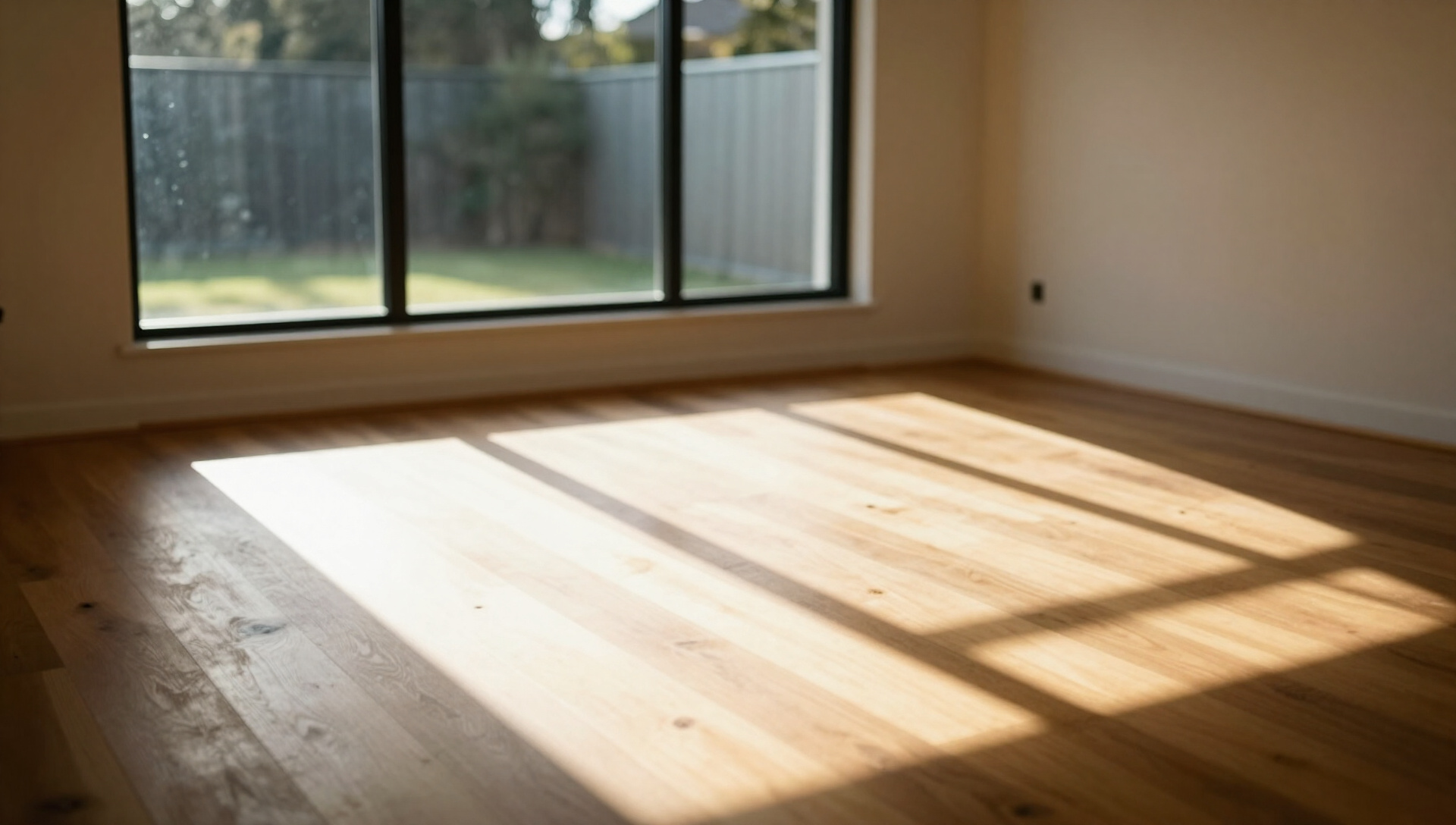
Seaholme’s proximity to the bay means homes are exposed to cold winds and damp conditions, making underfloor insulation a practical upgrade. It addresses the main causes of discomfort in older homes with suspended floors.
Insulation under the floor reduces the chill that rises through timber floorboards, making living spaces more comfortable without overworking your heater.
Gaps between floorboards and around skirting let cold air in. Underfloor batts block these draughts, improving indoor air quality and comfort.
By slowing heat loss through the floor, your heating system runs less often, cutting energy use and power bills over winter.
Properly installed underfloor insulation with a vapour barrier helps manage moisture in the subfloor, reducing the risk of mould and timber rot.
Many Seaholme homes were built without subfloor insulation. Adding it brings older properties closer to modern thermal standards.
Access is through the subfloor via the crawl space, so there is no need to remove floorboards or disrupt the home’s interior.
Installing underfloor insulation requires access to the subfloor and enough crawl space to move between joists. The process is straightforward but must account for existing services and the condition of the subfloor.
We check the subfloor for adequate access, clear any stored items and assess the condition of joists and bearers. If old insulation is present and may contain asbestos, work stops until a qualified assessor inspects it.
Batts are measured to fit snugly between joists without compressing, which would reduce their R-value. We use the chosen material, typically glasswool, polyester or rockwool, at the selected R-value.
In damp subfloors, a vapour barrier is laid over the ground to prevent moisture rising into the insulation. This is common in Seaholme due to the area’s humidity.
Batts are friction-fit between joists and held in place with staples or straps if required. We ensure no gaps are left and that the insulation is not compressed by pipes or cables.
Seaholme’s older weatherboard and brick veneer homes often have suspended timber floors that let cold air rise through the floorboards. Underfloor insulation is a cost-effective way to improve comfort and reduce heating costs in these properties. The work is done from the subfloor, so there is no disruption inside the home.
Stop cold floors and draughts in Seaholme with underfloor insulation installed under suspended timber floors.
Homeowners in Seaholme often ask about the practicalities of underfloor insulation, including access, cost factors and suitability for their home.
Underfloor insulation in Seaholme is installed between the floor joists of suspended timber floors to stop cold draughts and reduce heat loss. This is particularly beneficial in older weatherboard and brick veneer homes where gaps in floorboards and poor subfloor sealing let cold air rise into living spaces. The result is warmer floors, fewer draughts and lower heating costs during Melbourne’s cold winters.
The installation process begins with a subfloor inspection to confirm access and check for moisture or existing insulation. Batts are then cut to fit snugly between joists, with a vapour barrier added if the subfloor is damp. Common materials include glasswool, polyester and rockwool, with R-values typically ranging from R1.5 to R2.5 for underfloor applications. The work is completed from the crawl space, so there is no need to remove floorboards.
Costs for underfloor insulation in Seaholme depend on the floor area, access difficulty, chosen R-value and whether old insulation needs removal. Homes with limited crawl space or low clearance may require additional preparation. Signs your home needs underfloor insulation include cold floors, noticeable draughts through floorboards and higher than expected heating bills.
Improve comfort and reduce heating costs with underfloor insulation installed under your Seaholme home. We work with suspended timber floors and ensure a neat, effective result.